
Archdiocese of Vienna launches beatification process for Fr Titus Helde
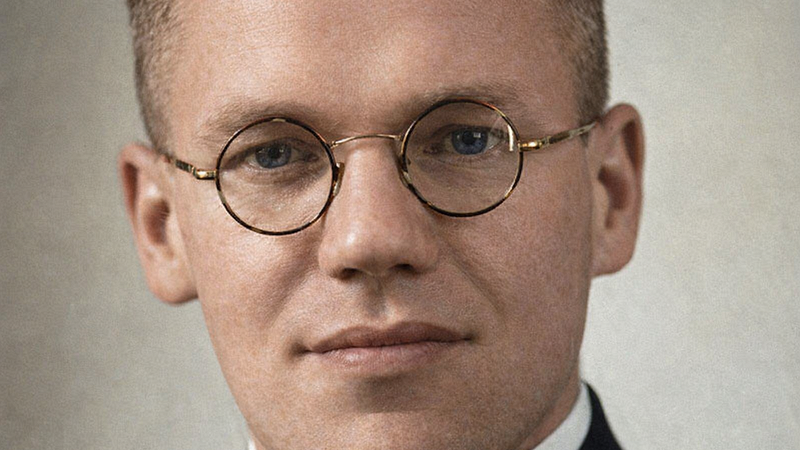
The Archdiocese of Vienna has initiated the first steps toward the beatification process of Salvatorian Fr. Titus Helde. The religious priest lost his life on April 22, 1945, in Mistelbach after placing himself in front of several women to protect them from violence. He was already venerated as a martyr shortly after his death. Martin Kolozs has been appointed postulator of the cause. His task is to gather all relevant information concerning the life, ministry, and death of Fr. Helde and to interview any surviving witnesses, according to a statement published on the Archdiocese of Vienna’s website.
The Archdiocese of Freiburg, from which Helde originated, is also supporting the initiative. In a statement issued on March 11, Archbishop Stephan Burger said that he welcomed “the fact that interest in the life and work of Fr. Titus Helde SDS remains alive in the Archdiocese of Vienna and has now led the Salvatorians to consider whether a beatification process should be opened in this case.”
Approval of the Petition on February 9
Fr. Titus Helde died in 1945 in Mistelbach, Lower Austria, when he placed himself protectively in front of several women in order to shield them from sexual assault by soldiers. Since then, the priest, who was born in 1905 in Radolfzell on Lake Constance, has been remembered as a martyr. At the end of last year, the Austrian Provincial of the Salvatorians, Fr. Márton Gál, submitted a request to the Archdiocese of Vienna to open a beatification process. Following unanimous approval by the Episcopal Council, Archbishop Josef Grünwidl granted the request on February 9.
Fr. Titus (Josef) Helde was born on May 5, 1905, in Radolfzell on Lake Constance. He initially worked as a bank employee before entering the Salvatorian community in Steinfeld in 1926. He was ordained a priest on June 29, 1938. During his years of formation, he served in Lochau, Heinzendorf, Passau, Hamberg, Graz, Vienna, and Mistelbach.
According to the Archdiocese of Vienna, the political and social climate changed fundamentally during the Nazi dictatorship from 1938 to 1945 and in the period of violence immediately following the war, particularly due to acts committed by Soviet soldiers, some of whom were described as extremely brutal. In this situation, Fr. Titus placed himself protectively in front of a group of women on April 21, 1945, in order to shield them from assault. He was shot and killed by a soldier of the Red Army. Shortly after his burial, the faithful began referring to him as a martyr. He was deeply mourned, prayers were offered for him, and people also began praying to him.